 Insights
The best web design package for small startups delivers a conversion-focused, mobile-responsive foundation integrated with essential operational tools like CRM capture, analytics, and basic automation. Rather than paying for bloated enterprise code or flimsy generic templates, early-stage companies need a fast, scalable web infrastructure that actively acquires qualified leads on day one.
For lean teams balancing limited runway against rapid growth goals, the ideal package eliminates disjointed third-party plugins while ensuring your digital storefront can expand into custom workflows effortlessly.

Essential Elements of an Early-Stage Startup Website Package
A startup website cannot simply act as a static digital brochure. It must serve as your 24/7 sales representative, lead engine, and operational hub without demanding continuous manual maintenance.
Core Technical Deliverables
To avoid costly rebuilds within your first twelve months, ensure your initial agreement covers these technical non-negotiables:
- Custom Responsive Architecture: clean semantic code tailored to your exact brand messaging rather than a sluggish, bloated off-the-shelf theme.
- Automated Lead Capture: integrated forms that route prospect data directly into your pipeline rather than leaving inquiries trapped in disconnected email inboxes.
- Technical SEO Foundation: schema markup, canonical configurations, metadata optimization, and XML sitemaps structured for immediate crawlability on Google and Bing.
- Core Web Vitals Optimization: sub-two-second load times achieved through asset compression, clean rendering paths, and streamlined server responses.
Securing modern web development early safeguards your organic search potential and prevents high bounce rates from frustrated mobile visitors.
Related: web development

Comparing Startup Web Design Packages: DIY vs. Agency vs. Full-Service
Selecting the best web design package for small startups requires understanding the total cost of ownership across your available options. What seems cheap initially often creates expensive technical debt within six months.
Option 1: DIY Page Builders
Platforms like Wix or basic Squarespace templates look inexpensive up front. However, founders quickly burn hundreds of productive hours trying to fix layout bugs, optimize script bloat, or stitch together zapier triggers that constantly break under real traffic.
Option 2: Traditional Creative Agencies
Traditional creative agencies produce visually stunning mockups, but their pricing models routinely exceed $15,000 to $30,000. Most also lack practical backend engineering knowledge, forcing you to hire outside specialists to connect databases or payment gateways.
Option 3: Full-Service Technical Partners
A hybrid design-and-systems partner builds high-converting user interfaces on top of automated data pipelines. Reviewing transparent pricing models will show you that modern, unified execution gives early-stage teams enterprise-grade architecture at a predictable investment level.
Related: pricing
Hidden Pitfalls to Avoid in Budget Web Packages
Low-cost freelance marketplaces and budget agencies frequently hide structural compromises behind low introductory price tags. Recognizing these traps protects your runway and customer data.
- Fragmented Plugin Stacks: relying on two dozen third-party plugins creates continuous security vulnerabilities, slow load speeds, and recurring subscription fees.
- Proprietary Vendor Lock-In: platforms that prevent you from exporting your raw code, database assets, or customer lists leave your business completely trapped.
- No Systems Integration: standalone forms that do not communicate with your billing or fulfillment systems force team members into tedious manual data entry.
- Ignored Analytics Configuration: launching without server-side tracking, conversion event triggers, and privacy-compliant tracking leaves your marketing strategy blind.
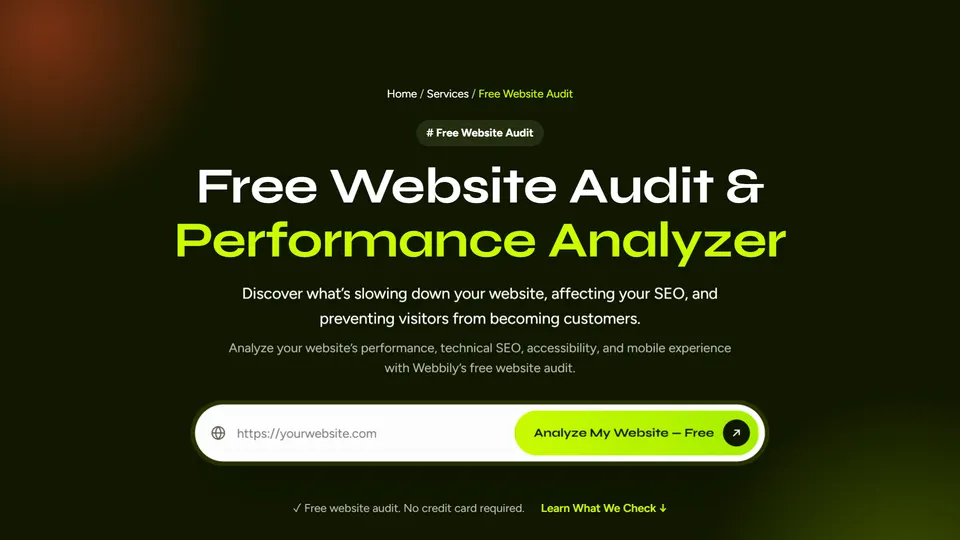
Before signing an agreement, verify whether your partner provides an upfront performance evaluation or a thorough website audit to diagnose existing bottlenecks.
Related: website audit
Why Automated Systems and AI Integration Matter from Day One
Startups succeed by maintaining high operational leverage. When your digital platform connects directly to internal workflows, a lean founding team can easily manage the output of a team three times its size.
Connecting Frontend Inquiries to Backend Operations
Every form submission, quote request, or trial sign-up should initiate an automated sequence without human intervention. That means triggering instant SMS notifications, populating accounting software, and assigning follow-up tasks in real time.
Implementing Intelligent Customer Touchpoints
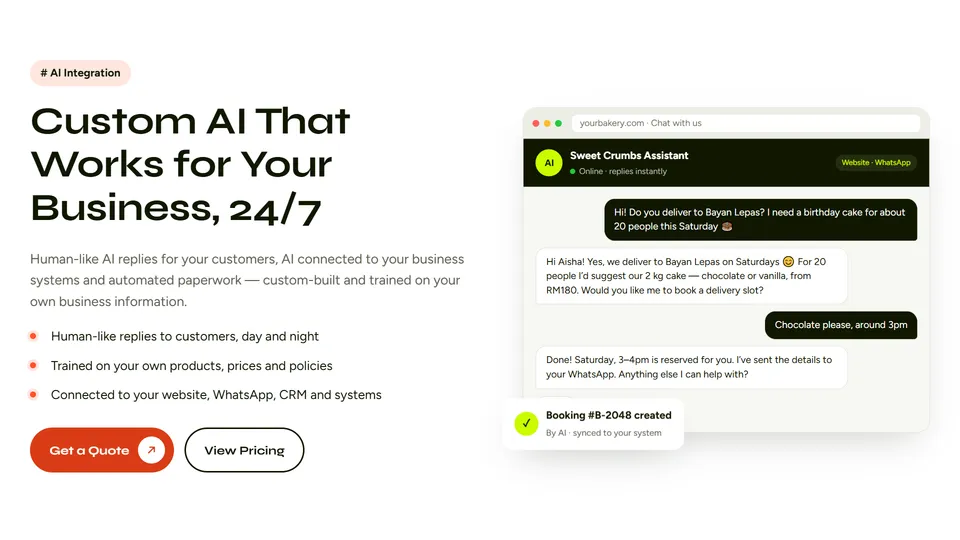
Integrating autonomous customer support tools transforms how your small operation handles incoming traffic. Exploring practical AI integration for business allows you to deploy conversational agents that qualify leads, book calendar slots, and answer pricing questions around the clock.
This tight operational connectivity frees founders from administrative quicksand, allowing your team to focus exclusively on product development, sales conversations, and strategic expansion.
Related: AI integration for business
Choosing the Right Growth Package for Your Business
Finding the best web design package for small startups comes down to matching technical execution with measurable business outcomes. If your current digital setup relies on disconnected spreadsheets, sluggish templates, or manual follow-ups, your website is actively hindering your growth.
Webbily engineers conversion-driven websites backed by custom business workflows, automated data capture, and pragmatic AI solutions designed specifically for ambitious teams. Let us replace your disjointed apps with a unified digital engine that converts visitors and scales your operations seamlessly.
Frequently Asked Questions
What is the average cost of a startup web design package?
Professional startup web design packages typically range from $2,500 to $7,500 depending on custom feature requirements, automated workflows, and CRM integrations. DIY platforms cost less initially but require extensive founder labor, while traditional brand agencies often start above $15,000.
How long does it take to design and launch a startup website?
A streamlined startup web design package typically launches within 3 to 6 weeks. This timeline covers initial wireframing, custom conversion-focused UI design, frontend coding, systems integration, and full technical quality assurance.
Should a startup choose WordPress, Webflow, or a custom build?
Webflow works well for content-heavy visual sites, while lightweight custom builds or headless setups offer superior speed, security, and integration capabilities. The best choice depends on whether your priority is editorial blogging or deep backend automation.
What features must be included in a startup web package?
A baseline package must include mobile-responsive design, fast-loading clean code, automated lead capture forms, technical on-page SEO, integrated analytics tracking, and scalable architecture for future business automation.
Can our startup website integrate directly with our CRM and tools?
Yes, a high-quality development package connects your web forms and customer interactions directly into your CRM, email automation software, and payment systems using clean APIs and automated webhooks.
Learn more at webbily.com.