 Insights
To hire a web app developer for a custom client portal, you need a technical partner who designs secure, role-based interfaces that integrate directly with your daily workflows. A dedicated portal replaces messy email chains, manual spreadsheets, and scattered SaaS tools with a single branded hub.
By unifying file sharing, billing, and project tracking, a tailor-made web application protects proprietary data while reducing administrative overhead by dozens of hours each month.
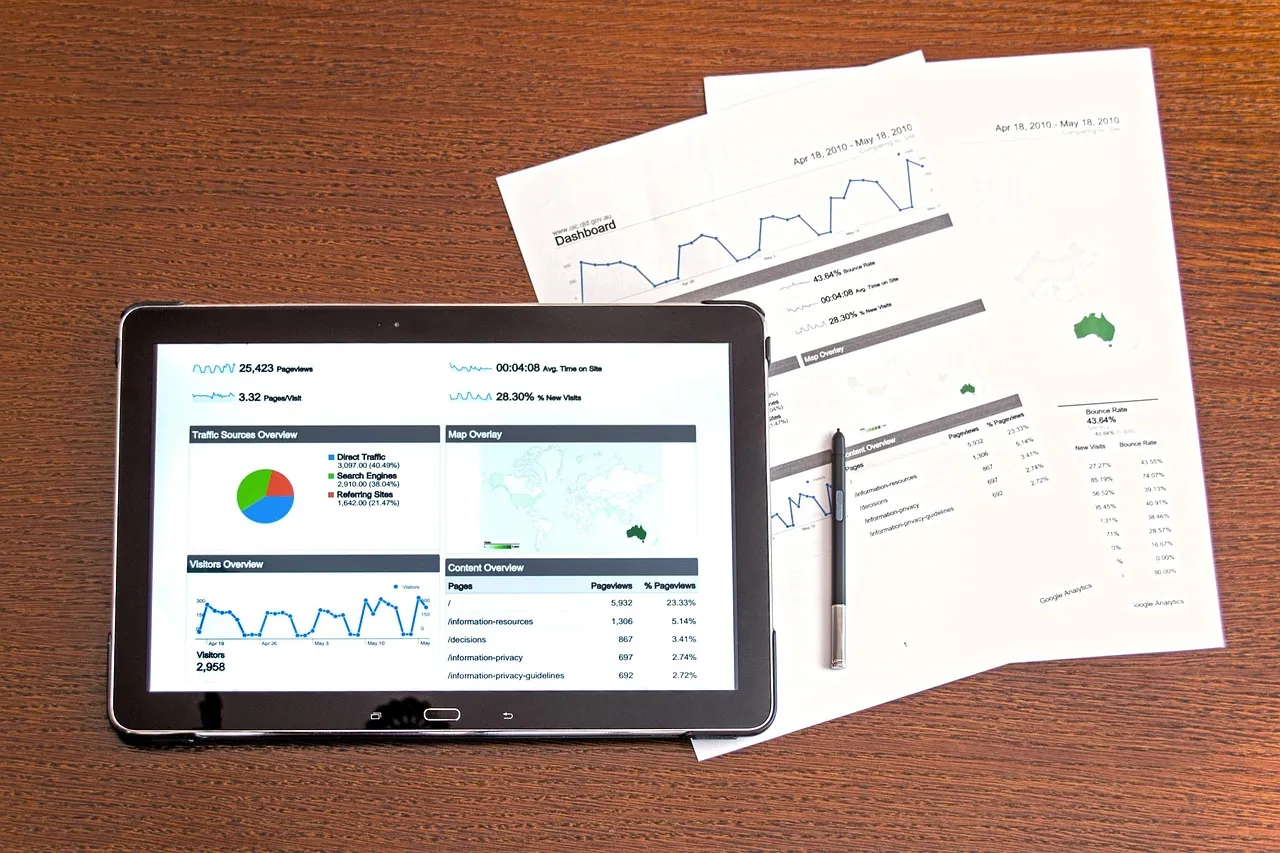
Why Off-the-Shelf SaaS Portals Fail Growing Businesses
Generic portal templates promise quick setup, but rapidly turn into operational roadblocks as your client roster expands. These subscription tools force your unique operations into rigid, predefined boxes that frustrate customers and staff alike.
The Hidden Costs of Rigid Software
- Per-Seat Pricing Penalties: Standard SaaS platforms charge tiered monthly fees for every single client login or internal user, penalizing your business as it grows.
- Fragmented Tool Sprawl: Off-the-shelf software rarely syncs perfectly with your internal databases, creating disconnected data silos and duplicate manual entry.
- Weak Brand Presentation: Generic portals often restrict white-labeling, presenting third-party logos or disjointed URL domains to high-value accounts.
- Static Feature Sets: When your operational workflow changes, you are stuck waiting on an external vendor roadmap that never arrives.
Investing in custom business system software eliminates recurring per-user license fees and gives you complete ownership of your digital infrastructure.
Related: custom business system software
Core Features High-Performing Client Portals Require
A high-ROI client hub does far more than store PDF attachments. It serves as an interactive command center where customers independently execute tasks, review progress, and communicate securely.
When scoping your build with a development team, prioritize these foundational modules:
- Role-Based Access Control: Granular permissions guarantee enterprise clients see only their assigned projects, invoices, and sensitive documents.
- Automated Billing & Milestones: Real-time payment processing via Stripe or custom merchant gateways paired with automated receipt and contract generation.
- Centralized Asset Exchanges: Secure, encrypted file uploads that bypass email size limits and prevent version-control confusion.
- Self-Service Onboarding: Guided intake forms and checklists that automatically ingest customer data into your internal pipeline.
- Real-Time Notification Triggers: Automated alerts via email, SMS, or direct webhook integrations so stakeholders never miss a project milestone.
Explore our full range of modern web development options to see how custom architectures solve unique service bottlenecks.
Related: web development

Technical Architecture and Data Security Standards
Client portals process proprietary corporate data, financial transactions, and confidential communications. Choosing the right tech stack ensures bulletproof security, instantaneous loading speeds, and friction-free long-term maintenance.
Enterprise-Grade Engineering Standards
- Modern Frontend Frameworks: Clean responsive interfaces built on React, Vue, or Next.js deliver frictionless mobile and desktop experiences.
- Hardened Backend APIs: Robust server-side logic powered by Node.js, Python, or Go manages high-concurrency requests without slowdowns.
- End-to-End Encryption: Strict SSL/TLS encryption for data in transit and AES-256 protocols for all files and credentials stored at rest.
- Regulatory Compliance: Architecture engineered to adhere to relevant standards including GDPR, CCPA, or HIPAA depending on your industry.
- Automated Backups: Redundant cloud infrastructure with continuous failovers so operational records remain protected against data loss.
What to Look for When You Hire a Web App Developer
Finding the right technical partner requires evaluating business acumen alongside programming capability. You need an engineering team that understands workflow economics, conversion touchpoints, and long-term maintainability.
Before you commit to a contract, evaluate candidates against these non-negotiable criteria:
- API & System Integration Expertise: Your developer must demonstrate real-world experience connecting custom web applications to CRMs, ERPs, and cloud storage providers.
- Pragmatic UX/UI Capabilities: Complex functional tools fail if non-technical clients find them confusing or cumbersome to navigate.
- Clear Code Ownership: Confirm upfront that you retain 100% intellectual property rights and direct repository access upon project completion.
- Scalable Cloud Scaffolding: Ensure your application is containerized and deployed on scalable cloud providers like AWS, GCP, or DigitalOcean.
Review our transparent pricing structures to understand how dedicated technical delivery stays cost-effective and clear.
Related: pricing

How Webbily Builds Custom Portals That Streamline Operations
At Webbily, we build tailored software systems that solve operational drag for growing companies. We replace fragmented spreadsheet systems and overpriced subscription software with cohesive, custom-engineered digital hubs designed to scale.
From intuitive onboarding flows to automated status reporting, our team handles end-to-end UX design, database architecture, third-party integrations, and continuous cloud management. You get an enterprise-grade customer experience without managing multiple contractors or deciphering technical jargon.
If you are ready to hire a web app developer for a custom client portal, reach out through our contact page to schedule a direct architectural discovery call today.
Related: contact
Frequently Asked Questions
How much does it cost to hire a web app developer for a custom client portal?
A streamlined custom client portal typically ranges from $5,000 to $15,000 for foundational features, while complex enterprise platforms with deep legacy integrations and automated workflows range from $20,000 to $50,000+ depending on scope.
How long does it take to develop a custom client portal from scratch?
Most custom client portal projects take between 6 to 14 weeks from initial UI/UX wireframing through final deployment, depending on the complexity of integrations and custom features required.
Can our custom client portal connect to our existing CRM and accounting software?
Yes, custom client portals can integrate seamlessly with platforms like HubSpot, Salesforce, QuickBooks, Stripe, and Google Workspace using secure REST or GraphQL APIs to ensure automated data synchronization.
Do I own the code and intellectual property of the custom portal?
Yes, when working with professional agencies like Webbily, your business retains full, unencumbered ownership of all custom source code, design assets, and database architectures upon project delivery.
Is a custom client portal more secure than a pre-built SaaS tool?
A custom portal built with modern security standards is often more secure because it isolates your data within a dedicated private cloud environment rather than storing it in a multi-tenant database targeted by bulk scrapers.
Learn more at webbily.com.