 Insights
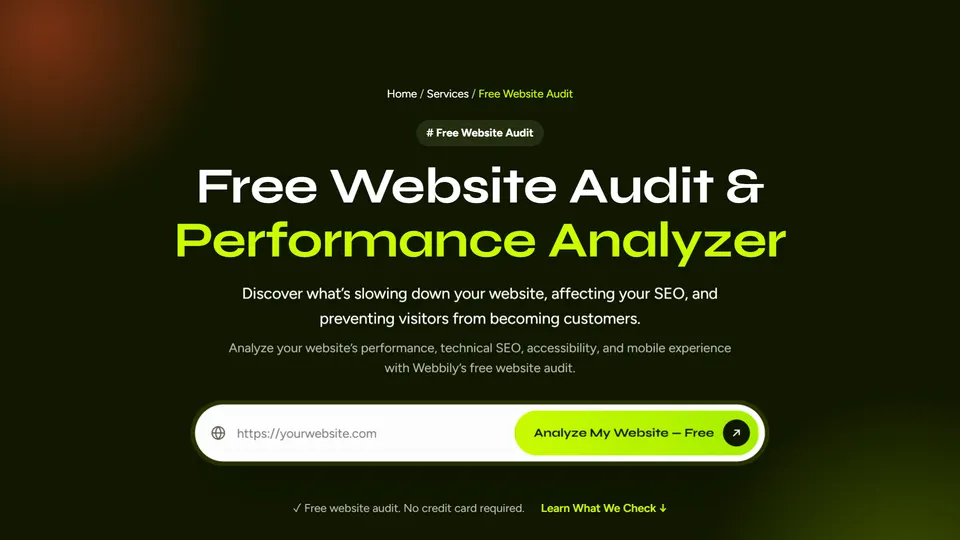
A step by step website audit checklist for small business is a systematic evaluation of your website's technical health, on-page SEO, user experience (UX), and conversion funnels to identify what is blocking organic traffic and sales. Performing a comprehensive audit reveals broken code, slow pages, mobile friction, and missed lead opportunities so you can prioritize high-impact fixes.
Most small business websites suffer from silent performance leaks—like uncompressed images, missing metadata, and disjointed contact workflows—that frustrate visitors and hurt search rankings. By auditing these critical areas methodically, you can systematically turn an underperforming site into an efficient, predictable growth engine.

Technical Health: Crawlability, Indexing, and Core Web Vitals
Technical SEO forms the foundation of your digital presence. If search engine spiders cannot crawl, parse, and index your pages seamlessly, even world-class content will never appear on search engine results pages.
Crawl and Indexing Health
- Google Search Console: Check the Page Indexing report for 404 errors, crawl anomalies, or accidental noindex tags blocking valuable revenue pages.
- XML Sitemap: Verify that your sitemap is submitted, clean, error-free, and contains only canonical, 200-status URLs.
- Robots.txt Configuration: Ensure your robots.txt file is not accidentally disallowing search engines from indexing core landing pages or CSS/JS resources.
- SSL Security: Confirm your HTTPS certificate is active, properly configured, and free of mixed-content security warnings.
Core Web Vitals and Page Speed
Page speed directly impacts bounce rates and organic search rankings. A slow-loading storefront or service page directly drives potential clients toward your competitors before your pitch is even seen.
- Largest Contentful Paint (LCP): Ensure primary visual elements render within 2.5 seconds by compressing oversized images and leveraging modern WebP formats.
- Interaction to Next Paint (INP): Eliminate bulky, unoptimized JavaScript bundles that delay user interactions like button clicks and menu expansions.
- Cumulative Layout Shift (CLS): Assign explicit height and width attributes to media containers to prevent jarring visual jumps during page load.
Running a regular, dedicated website audit ensures these technical bottlenecks are spotted and resolved before they compromise your search engine rankings.
Related: website audit

On-Page SEO and Content Architecture
Once search engines can crawl your site cleanly, your content structure dictates what search terms you rank for and how clearly search engines understand your local or industry relevance. Every service or product page needs a dedicated search intent match.
- Title Tags and Meta Descriptions: Write distinct title tags under 60 characters with primary keywords placed up front, paired with benefit-driven meta descriptions under 155 characters.
- Header Hierarchy: Maintain a single, clear H1 per page, followed by logical H2 and H3 subheadings that answer specific search queries.
- Keyword Targeting: Align each page to a single primary search query to prevent internal keyword cannibalization across service offerings.
- Image Optimization: Add descriptive, concise alt attributes to all images to improve accessibility and capture image search traffic.
- Internal Link Architecture: Connect contextually related blog guides, service pages, and case studies to pass page authority and guide user navigation.
Effective on-page strategy requires solid development fundamentals. Pairing structured content with professional web development ensures clean code semantics and schema markup that modern search engines reward.
Related: web development
Mobile Optimization and User Experience (UX)
Over sixty percent of all web traffic originates from handheld devices, making a mobile-first experience a mandatory operational requirement. Search engines evaluate your site based almost exclusively on its mobile version.
- Responsive Breakpoints: Verify that page layouts adapt smoothly across standard phone, tablet, and widescreen monitors without horizontal scrolling.
- Touch Target Spacing: Space all interactive buttons and navigation links at least 48 pixels apart to prevent frustrating mis-taps.
- Typography Readability: Set standard body copy to at least 16 pixels with adequate line height to maintain comfortable reading on smaller screens.
- Sticky Navigation: Offer streamlined header bars or accessible mobile drawers so visitors can locate phone numbers, schedules, or quotes instantly.
When user journeys become intuitive, visitors consume more content, spend more time on your domain, and convert into paying inquiries at significantly higher rates.

Conversion Pathways, Lead Capture, and Automation
A high-traffic website that fails to capture qualified leads provides little return on investment. Auditing conversion points reveals friction points where prospective customers drop off before finishing an inquiry.
- Clear Calls to Action: Position direct, primary CTAs above the digital fold on key pages, using active language like 'Request an Estimate' or 'Book a Consultation'.
- Form Streamlining: Limit contact forms to essential inputs only; cutting unnecessary fields drastically increases completion rates.
- Form Delivery Testing: Submit live test inquiries across every contact form to confirm notification emails and automated lead confirmations work without errors.
- Automated Workflows: Integrate web forms directly with your CRM or scheduling tools to cut out manual spreadsheet exports and speed up response times.
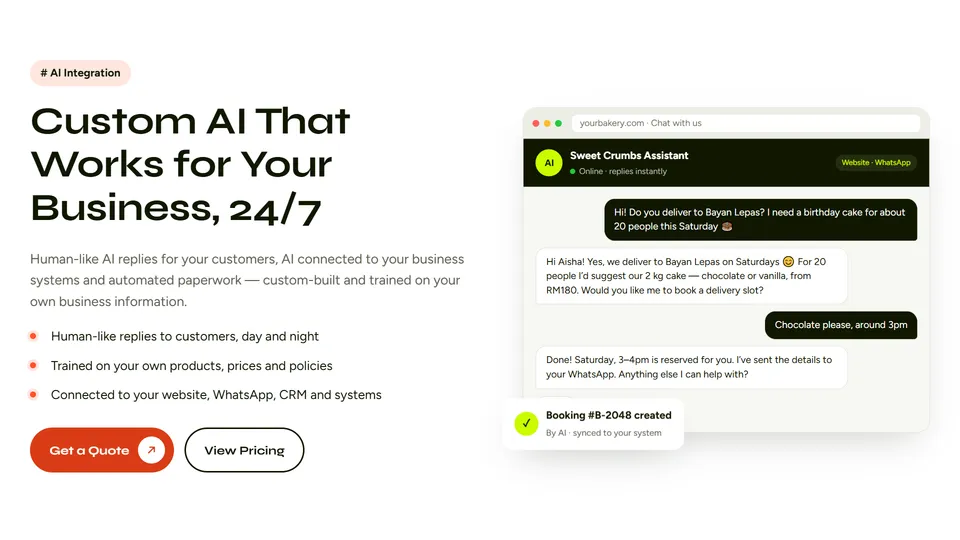
Modern businesses often connect intelligent systems like an AI integration for business to instantly qualify inbound prospects, answer repetitive questions 24/7, and book meetings directly into your calendar without manual intervention.
Related: AI integration for business
Website Security, Compliance, and Data Tracking
A compromised or unmonitored site exposes your organization to severe legal liabilities and invisible revenue losses. Accurate data tracking is essential for making informed marketing decisions.
- Analytics Setup: Verify Google Analytics 4 (GA4) is firing correctly on all pages and logging primary conversions like form fills, phone clicks, and checkouts.
- Plugin and Software Updates: Update your content management system, plugins, themes, and server dependencies to eliminate known security vulnerabilities.
- Automated Backups: Schedule automated off-site backups daily or weekly so you can restore your platform instantly in the event of an outage or breach.
- Privacy Compliance: Provide accessible privacy policy and terms of service pages, alongside compliant cookie consent banners where legally required.
Consistently following this step by step website audit checklist for small business ensures your digital ecosystem stays resilient, protected, and aligned with your revenue goals. If your audit exposes complex technical bugs or fragmented operational workflows, partnering with an experienced team can help you implement automated, custom web solutions quickly.
Frequently Asked Questions
How often should a small business perform a website audit?
Small businesses should conduct a mini-audit quarterly to check broken links and speed, and a full comprehensive audit annually or after major site redesigns.
What tools are essential for a small business website audit?
Google Search Console, Google PageSpeed Insights, Google Analytics 4, and crawler tools like Screaming Frog cover almost all technical, SEO, and usability needs.
How long does a website audit usually take to complete?
A standard small business audit takes between 2 to 5 hours for basic sites, while complex websites with dynamic catalogs or integrations can take several days.
What is the most common website error found during an audit?
Uncompressed images causing slow page load speeds and missing meta descriptions or broken mobile elements are the most frequent issues identified.
Can I perform a website audit myself without technical skills?
Yes, non-technical owners can easily audit visual navigation, forms, mobile usability, and basic SEO, though complex code and server fixes require a developer.
Learn more at webbily.com.